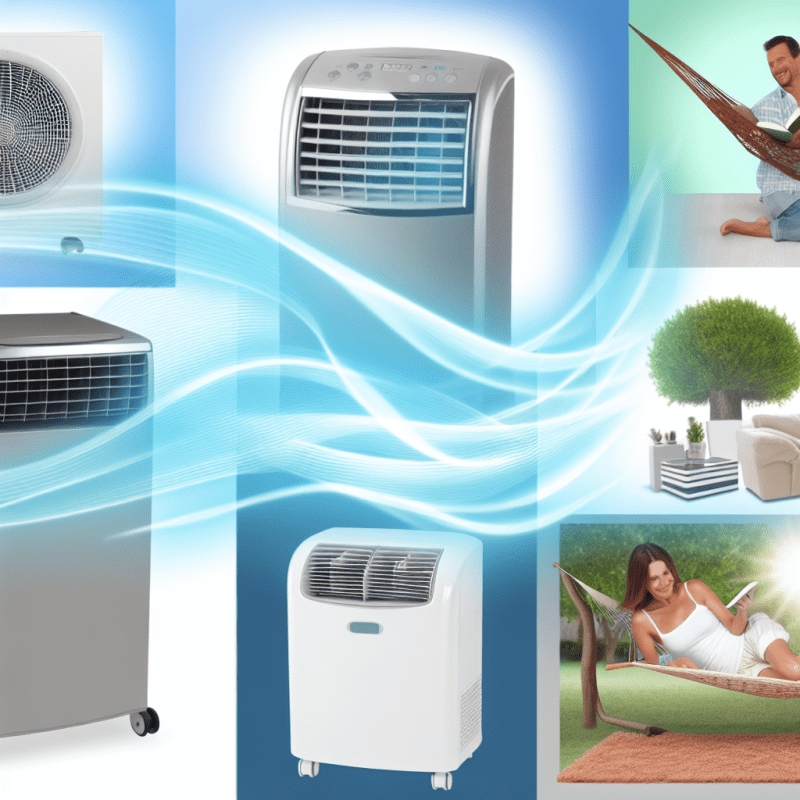
Air conditioning units are all about keeping you cool and comfortable, especially during those hot summer days. But how do they work? Let’s break it down in a simple way. An air conditioner pulls warm air from inside your space, cools it down using a refrigerant, and sends that nice, chilled air back into your room. It’s like having your own personal ice cube maker, but for your whole house!
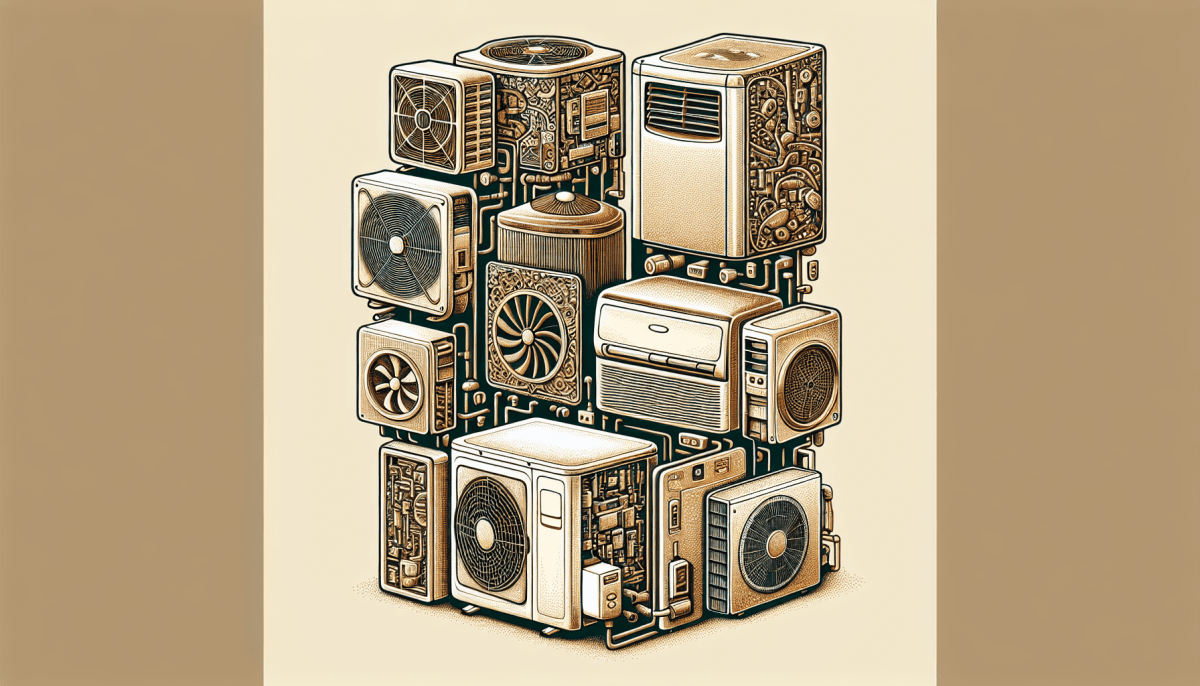
The magic really happens inside the unit. There are three main parts to know about: the compressor, the condenser, and the evaporator. The compressor pumps refrigerant through the system, which absorbs heat from inside your home. As the refrigerant moves to the condenser (often located outside), it releases all that heat. Finally, the evaporator does the cooling part by letting the refrigerant absorb heat again and converting it back to gas. This cycle keeps repeating, keeping your space nice and cozy.
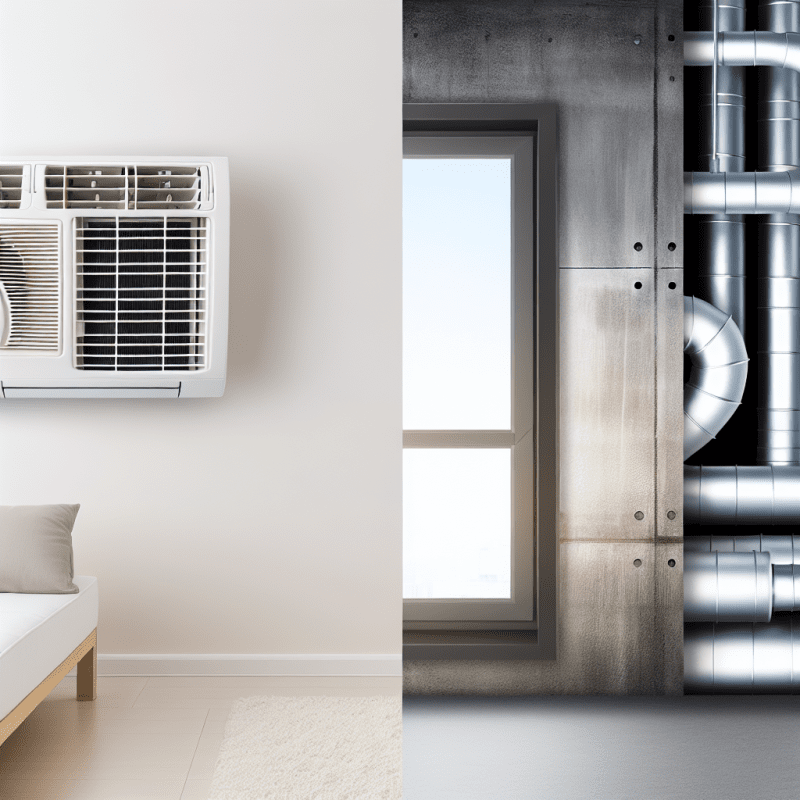
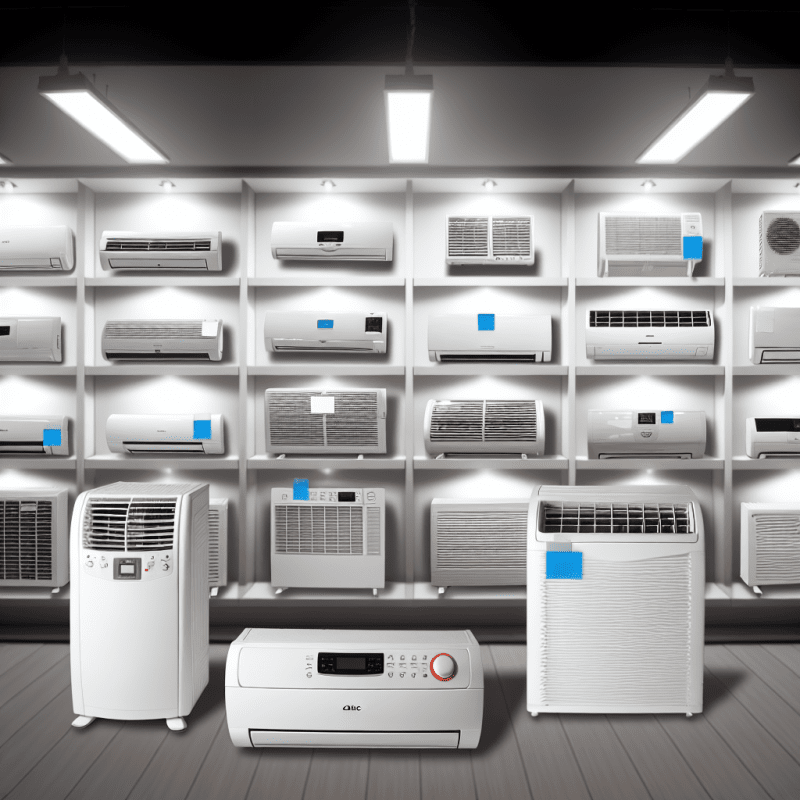
There are a few different types of air conditioning units out there, each with its own advantages. Window units are great for specific rooms and are usually pretty affordable. Central air systems cool your whole house at once, but they come with a higher price tag. And then there are portable air conditioners, perfect for when you need something flexible that you can move around.
When choosing an air conditioner, consider factors like room size, energy efficiency, and budget. A unit with a good Energy Efficiency Ratio (EER) can help save you money on energy bills while keeping you cool. Don’t be afraid to ask for advice or read reviews to find the best fit for your needs!
How Air Conditioners Work
Air conditioners might seem complicated, but they work on a few simple principles. At the core, they take warm air from your home, cool it down, and send it back out. This process not only makes your space feel comfortable but also helps remove humidity.
Here's how it happens: the air conditioner pulls in warm air through a vent. This air passes over a cold evaporator coil filled with refrigerant. As the warm air moves across this coil, the refrigerant absorbs the heat and cools down the air. The cooled air is then blown back into the room, making everything feel nice and refreshing.
Next, the refrigerant carries the heat to the outside unit where it goes through a process that releases that heat back into the outside air. This makes the refrigerant cool again, and it's ready to repeat the cycle. It’s a continuous loop of cooling that keeps your home just the way you like it.
Don't forget about the thermostat! This handy device helps regulate the temperature. When your home gets too warm, the thermostat signals the air conditioner to kick in, and when the desired temperature is reached, it turns off. Smart, right?
All in all, air conditioners work hard behind the scenes to keep you comfortable. Understanding how they function can help you take better care of your unit, ensuring you stay cool when it matters most.
Choosing the Right Air Conditioner
Picking the right air conditioner can feel overwhelming, but it doesn't have to be. Start by thinking about the size of the space you need to cool. If you choose a unit that’s too small, it’ll struggle to keep things comfortable. If it’s too big, it might cool the room too quickly without actually removing humidity. Measure your room and check the BTU (British Thermal Unit) rating of potential AC units. Aim for around 20 BTUs per square foot.
Next up, consider the type of air conditioner that fits your lifestyle. There are window units, portable ones, and central air systems. Window units are great for cooling single rooms and are usually easy to install. Portable ACs are flexible and can be moved from room to room, but they might be less efficient than a fixed unit. If you’re looking to cool your whole house, central air is the way to go, though it’s a bigger investment.
Energy efficiency is another biggie. Check the unit’s Energy Efficiency Ratio (EER) or SEER rating. A higher number means better efficiency, which can save you money on energy bills in the long run. Look for Energy Star labels to find models that are designed to use less energy and cool your space effectively.
Lastly, think about features that matter to you. Do you want a remote control, programmable timer, or smart home compatibility? Some units come with air purifying filters or dehumidifying functions which can be real game-changers during the hot, sticky months. Make a list of what’s important for your comfort and convenience.
Maintaining Your Air Conditioner
Keeping your air conditioner in tip-top shape doesn’t have to be a hassle. A little regular maintenance goes a long way in ensuring your unit runs smoothly and efficiently. Start by checking or changing the air filter every month or two. A clean filter helps your AC breathe easier and saves energy, which means lower bills for you!
Next up, make sure those coils are clean. Dust and debris can build up over time, making your unit work harder than it needs to. If you're comfortable doing it, use a soft brush or a vacuum with a brush attachment to gently clean them. Just be careful not to bend the fins; they’re delicate!
Another essential task is keeping the outdoor unit clear. Make sure there's a couple of feet of space around it. Trim back any bushes or plants that could obstruct airflow. Clear away leaves or debris that might accumulate around it, especially during fall. A clear path helps your AC perform at its best.
Lastly, don’t skip the annual check-up. Consider calling a pro to inspect your system once a year. They'll check refrigerant levels, inspect electrical components, and ensure everything’s running smoothly. It may seem like an extra expense, but this preventive care can save you from big repairs down the line.